Metal roofing is now one of the most durable and attractive roofing options for property owners and homeowners throughout the United States. Popular for its strength, durability, and energy efficiency, as well as its modern design, metal roofing can last for years if properly installed. Knowing how to set up metal roofing can help you appreciate the process as well as the value of professional roofing installation services.
This guide will explain each step of installing a metal roof in a clear, simple-to-follow manner, allowing you to comprehend the steps involved in making a sturdy, weatherproof roof that will protect your home all year.
This guide explains how to install metal roofing, covering preparation, underlayment, panel installation, and finishing steps. It highlights the benefits of hiring professional roofing installation services to ensure durability, weather protection, and long-term performance.
Understanding Metal Roofing and Its Benefits
Metal roofing is constructed from materials like aluminum, steel, copper, or zinc and designed to withstand tough weather conditions. Contrary to traditional asphalt shingles, metal roofing is resistant to shrinking, cracking, and eroding. They are particularly efficient in areas with heavy rain and snow, strong winds, or extreme temperatures.
One of the major advantages of roofing made of metal is its long lifespan. If properly installed, the roof can last between 40 and 70 years. Additionally, it reflects sunlight, which helps reduce cooling costs in the summer months. Due to these advantages, many homeowners rely on professional roofing installation services to ensure that the roof functions exactly as it was intended.
Preparing for Metal Roof Installation
Proper preparation is among the most important aspects of constructing metal roofing. Before installing any panels, the roof structure needs to be examined to ensure it is able to support the new roofing material. The damaged or leaky wood or weak spots should be fixed prior to installation.
The roof’s surface should be level and clean. In a lot of cases, metal roofing can be installed over existing shingles; however, this is contingent on the local building codes and the state of the roof. Roofing installation services usually conduct these inspections to make sure that the project is in compliance with safety and code specifications.
The measurements are carefully taken to determine the number of panels or fasteners, as well as the trimming pieces that are required. Accurate measurements cut down on waste material and ensure a tight fitting during installation.
Installing the Roof Underlayment
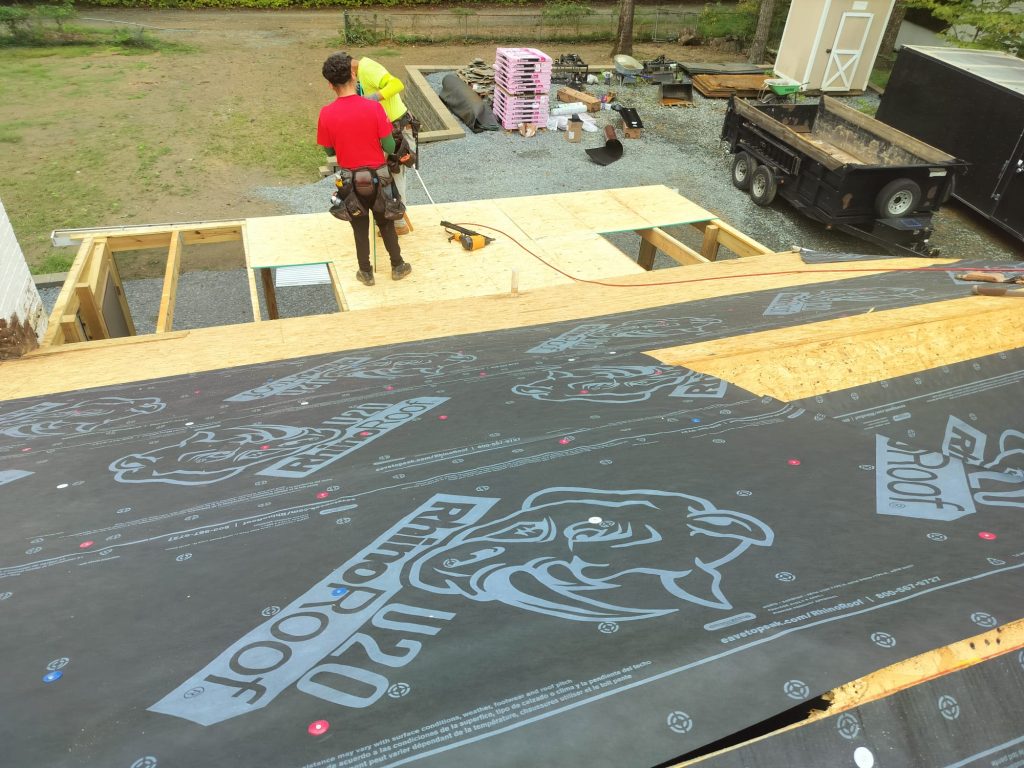
The role of the underlayment is crucial to protect the deck of your roof from the effects of moisture. It is a protective layer between the roofing structure and the metal panel. Synthetic underlayment is often used in metal roofing because it is water-resistant, strong and long-lasting.
The underlayment is laid equally across the roof, beginning at the bottom and working up. Each layer is slightly overlapping the one before it to stop water from entering. Professional roofing installation services ensure the underlayment is securely secured and is laid flat and free of wrinkles, which could hinder the installation of the panel.
Adding Drip Edge and Flashing
Flashing and drip edge help in controlling water flow and protecting those areas that are vulnerable to water damage on the roof. Drip edge is placed around the roof’s edges in order to direct water towards the gutters and away from the fascia. Flashing is positioned on chimneys, vents, skylights, and valleys to avoid leaks.
These components are crucial for the long-term performance of your roof. The incorrect installation of flashing is among the most frequent sources of leaks in roofs. Professionally trained roofing installation services will take extra care to ensure that these areas are properly sealed to prevent water from getting into the steel panels.
Laying the Metal Roofing Panels
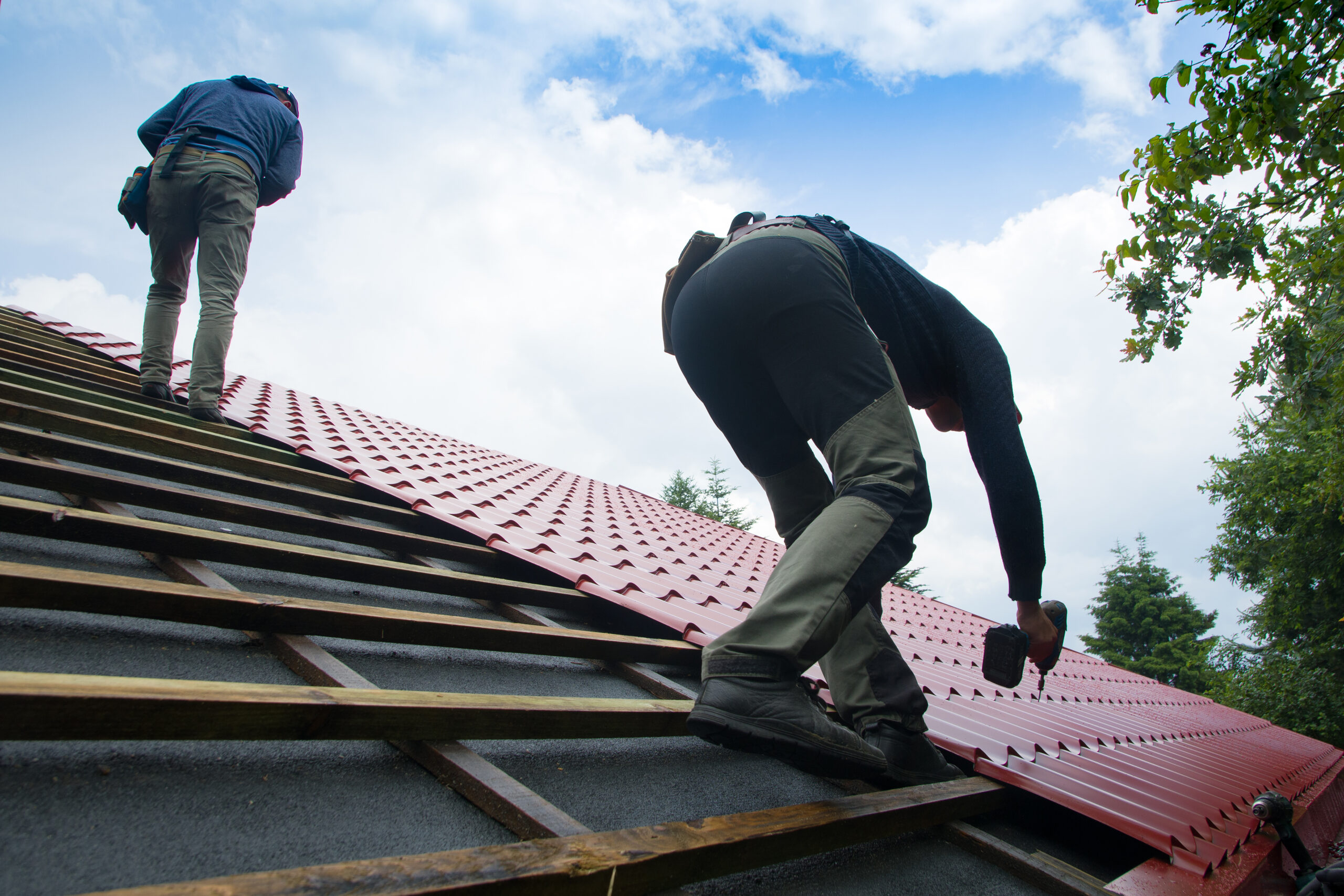
Metal panels are erected starting at the bottom of the roof and moving upwards. Each panel is carefully aligned to ensure straight lines and a proper overlap. The use of fasteners to fix the panels to the deck according to the guidelines of the manufacturer for spacing and positioning.
Over-tightening fasteners could damage the panels, and loose fasteners could allow water to infiltrate. This requires skill and expertise, which is the reason many homeowners turn to professional roofing installation services for this process.
The panels are overlapping to form a watertight seal. Sealant is applied to certain seams according to the type of metal roofing system that is used. The precision of this process will ensure that the roof is able to withstand rain, wind, and temperature variations.
Installing Ridge Caps and Trim
After the principal panels are installed, ridge caps are erected on the roof’s peaks, covering the space between two roof slopes, stopping debris and water from leaking into the roof. The trim pieces are placed around corners and edges for a polished appearance.
These final elements not only enhance the appearance of the roof but also increase its durability. Roofing installation services ensure that the ridge caps are properly ventilated, if needed, and help to regulate the temperature of the attic and levels of moisture.
Sealing and Final Inspection
After all the trim and panels are put in place, the sealants are sprayed where needed to provide the watertightness of the protection. The roof is examined thoroughly to make sure that the fasteners are secured, the panels are aligned properly, and the flashing is properly sealed.
Professional inspection ensures that roof specifications meet both manufacturer requirements and local building codes in your area. Reputable metal roofing installation companies will guide you through this process while providing useful maintenance tips to extend its useful lifespan.
Common Mistakes to Avoid During Installation
Metal roofing can be a complex process requiring precise work. Even minor mistakes in measurement, fastener placement, or flashing installation could have devastating results that reduce its lifespan significantly. Measuring errors, fastener placement issues, or improper flashing installation are the three primary sources of failure that may weaken or allow water penetration onto a frame and ultimately allow leakage into your home.
Poor underlayment or inferior materials could prove disastrous to your roofing’s performance, underscoring the importance of hiring an installer with extensive knowledge of safety and technical aspects related to metal roofs.
Maintaining Your Metal Roof after Installation
Metal roofs require very little maintenance compared with other roofing materials. Scheduled inspections will help prolong their lifespan and address minor issues before they become major problems. By inspecting for loose fasteners, debris buildup, or damaged sealant, such as loose fasteners, regular checks can ensure minor issues can be addressed before becoming major problems.
Professional roofing installation services typically provide regular inspections or maintenance plans to their homeowners to protect their investment in the roof. Regularly cleaning the roof and taking steps to address any minor issues as soon as possible will extend its lifespan significantly.
Why Professional Roofing Installation Services Matter
As much as learning the ins and outs of metal roof installation provides invaluable knowledge, the installation process requires special tools as well as safety precautions and technical know-how. Professional roofing installation services bring expertise, efficiency, and conformity to building codes, ensuring that the roof is correctly installed on the first try.
Employing professionals also protects manufacturers’ warranties, which typically require certified installations for optimal functioning and longevity. Professional services provide homeowners with peace of mind for long-term value, safety, and sustainability from their installations.
Metal Roofing Installation
Metal roofing can provide long-term energy efficiency while remaining appealing and long-lasting on both residential and commercial buildings. Understanding how to install a metal roof will allow you to appreciate every step involved, from preparation through underlayment installation and inspection. Appointing reliable roofing installation services ensures that any metal roof you install will provide long-term protection and accommodate various weather conditions. A properly installed metal roof represents more than an upgrade; it represents an investment into both the future value and security of your home.
FAQ’s
How long does metal roofing installation take?
Most metal roofing projects take one to three days, depending on roof size, weather conditions, and complexity.
Can metal roofing be installed over existing shingles?
In many cases, yes. However, the roof structure and local building codes must be evaluated before installation.
Is metal roofing more expensive than shingles?
Metal roofing has a higher upfront cost but lasts longer and requires less maintenance, making it cost-effective over time.
Do metal roofs make noise during rain?
Properly installed metal roofs with underlayment are no noisier than other roofing types.
What underlayment is best for metal roofing?
Synthetic underlayment is commonly used because it offers excellent moisture resistance and durability.